Georgia sells electricity abroad in early summer and buys it back in winter. In 2025 the balance tipped clearly towards imports: the country imported 1.6 TWh, exported only 0.5 TWh and ended the year a net importer of 1.0 TWh, worth $24.3 million. This article explains why Georgia runs a winter deficit, where the power comes from and goes to, and what it means for solar, storage and hydro investors. Figures are for 2025 from Galt & Taggart's annual electricity market review (source).
Georgia's electricity balance in 2025
| 2025 | Change on 2024 | |
|---|---|---|
| Electricity supplied to the grid | 15.4 TWh | |
| Domestic generation | 13.8 TWh | −3.0% |
| of which hydropower | 11.0 TWh (about 80%) | −3.4% |
| of which wind and solar | 84 GWh (0.5% of supply) | |
| Domestic consumption | 14.3 TWh | +3.5% |
| Imports | 1.6 TWh | +26.9% |
| Exports | 0.5 TWh | −51.2% |
| Net imports | 1.0 TWh, $24.3 million | |
| Transit to Turkey | 0.7 TWh | −38.1% |
| Average wholesale (balancing) price | 5.8 US cents/kWh | +4.1% |
Source: Galt & Taggart, based on GNERC, ESCO and Geostat data (source).
Why Georgia imports in winter
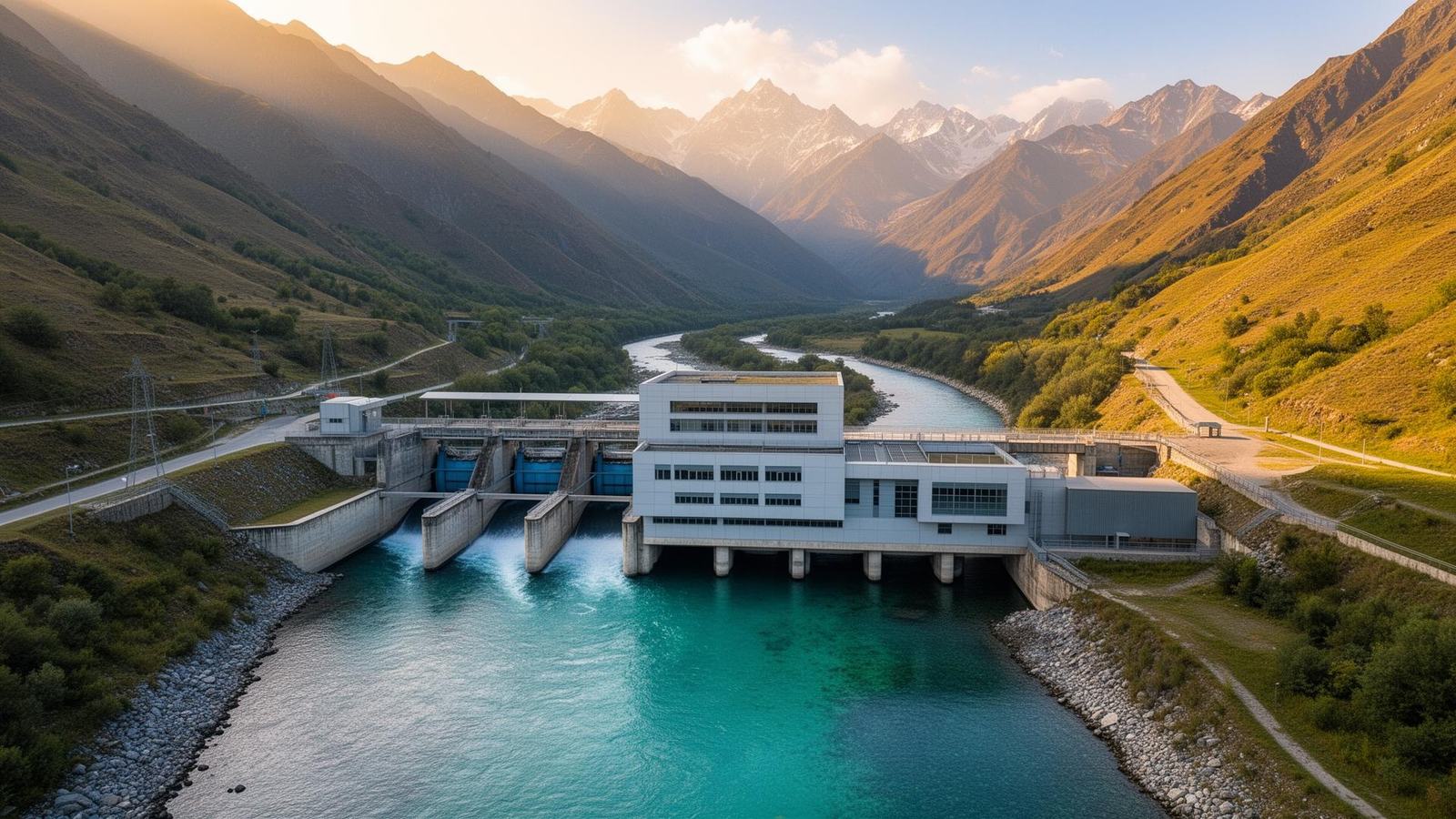
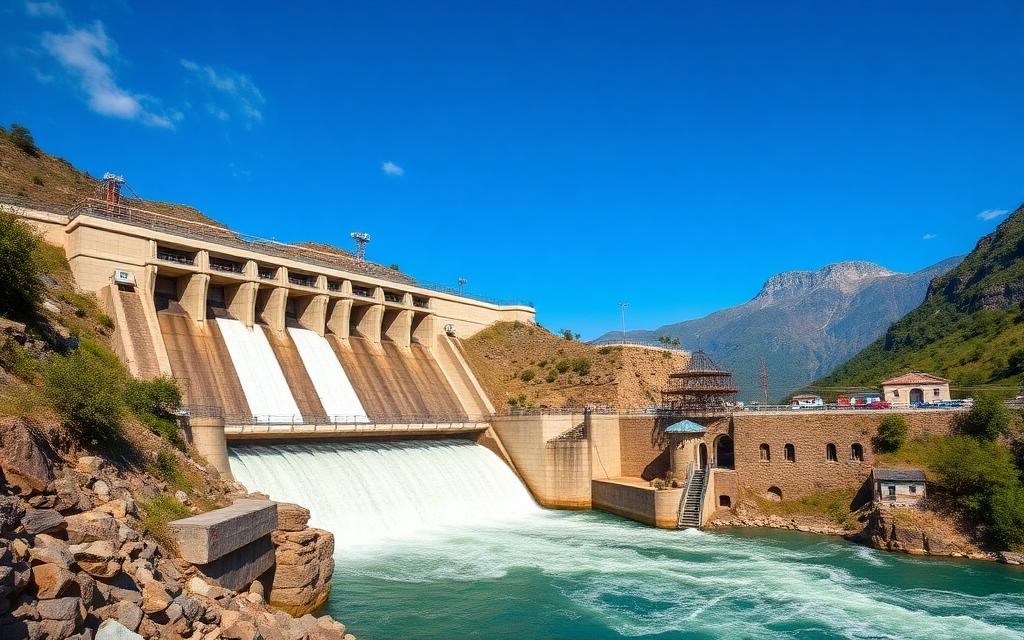
Hydropower dominates. About four-fifths of Georgia's electricity comes from hydropower, and most hydro plants run on river flow. Rivers are high in spring and early summer when snow melts, and low in winter, exactly when heating and lighting push demand up. Only a few plants, such as Enguri and Zhinvali, have reservoirs that can store water for winter (see the largest hydropower plants).
The gap is filled by gas-fired plants and imports. Thermal plants at Gardabani supply most of the rest of domestic generation, and imports cover what is left. In 2025, 62.4% of imports came from Russia, and 46.5% of all imported electricity went to the Abkhazian region, where Russia supplies power at a special price of 0.1 US cents/kWh; that low price pulled the average import price down to 3.1 US cents/kWh (source).
Exports are short and seasonal. In 2025 the export season ran only from May to July. Turkey took 78.5% of exports, followed by Armenia (10.3%) and Azerbaijan (9.8%). Lower prices in Turkey and weaker renewable output cut export volume in half and export revenue to $23.5 million, at an average of 4.6 US cents/kWh.
Imports and exports since 2020
| Year | Imports | Exports | Net |
|---|---|---|---|
| 2020 | 1.6 TWh | 0.2 TWh | −1.5 TWh |
| 2021 | 2.0 TWh | 0.4 TWh | −1.6 TWh |
| 2022 | 1.5 TWh | 1.0 TWh | −0.6 TWh |
| 2023 | 0.8 TWh | 1.5 TWh | +0.7 TWh |
| 2024 | 1.2 TWh | 1.0 TWh | −0.2 TWh |
| 2025 | 1.6 TWh | 0.5 TWh | −1.0 TWh |
Net figures as reported by Galt & Taggart (source). 2023 was the only recent year of net exports, helped by high export prices.
What this means for investors
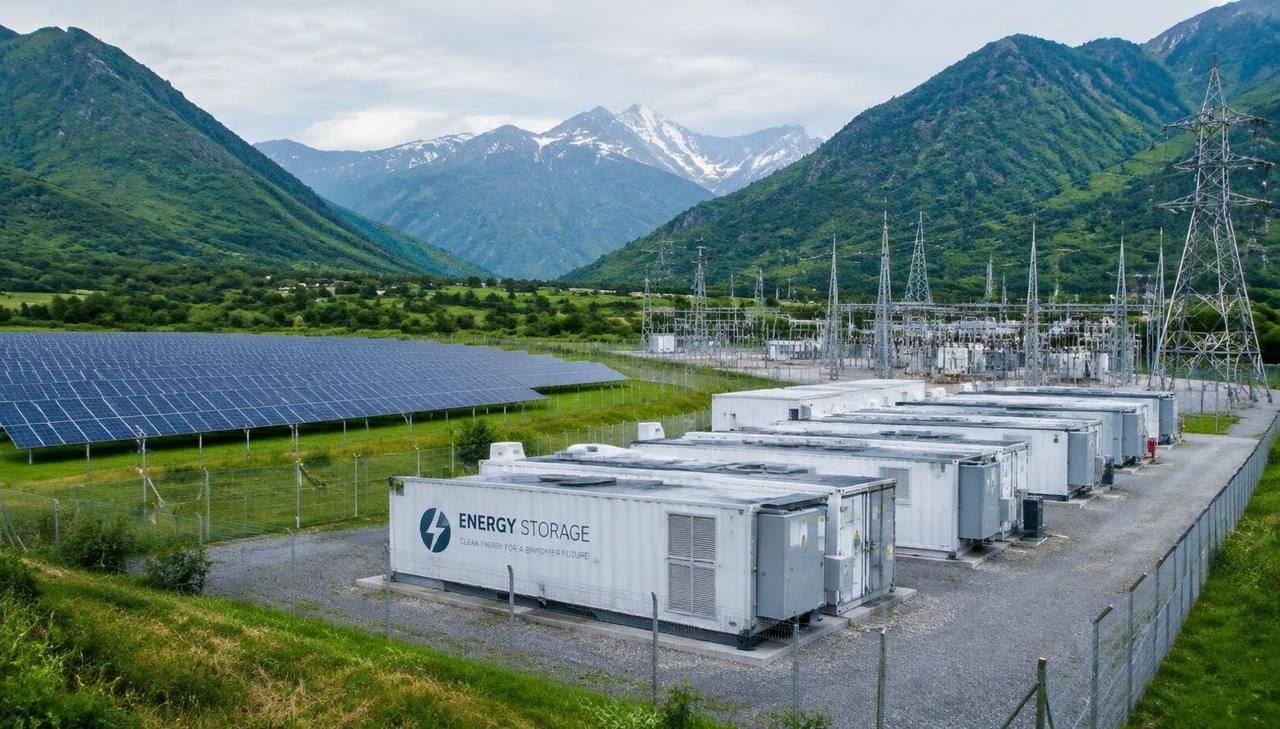
- Winter energy is the scarce product. New capacity that produces in autumn, winter and early spring, or that can shift energy into those months, is worth more to the system than more summer hydro. That supports reservoir hydro, battery storage and wind.
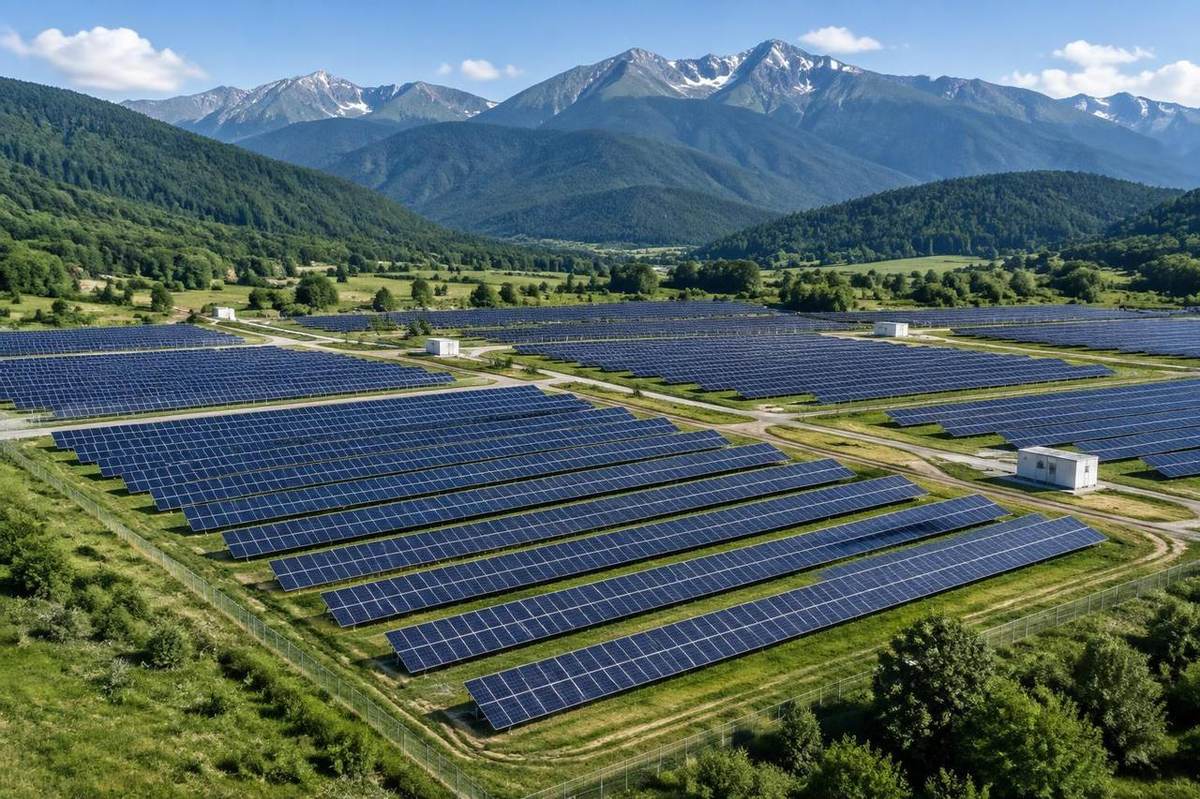
- Solar helps more than the statistics show. Large solar plants are still small, but Galt & Taggart counts 305 MW of net-metering plants (2,427 stations) at the end of 2025, after 161 MW was added in that year alone. These rooftop and small ground-mounted plants supplied roughly 2% of consumption and are not captured in national generation statistics (source). See net metering in Georgia.
- Solar's profile is complementary in daytime, not in winter. Solar produces most from April to September, overlapping with the hydro surplus, but it also cuts daytime demand in spring and autumn, when reservoirs are being saved. Pairing solar with storage or selling to daytime business demand captures most value; see solar energy in Georgia.
- Market prices will follow the winter gap. Balancing electricity, which reached 4.5 TWh or 28.9% of supply in 2025, averaged 5.8 US cents/kWh. As hourly settlement arrives (planned for July 2027) and GENEX volumes grow, winter scarcity should show up more clearly in prices.
- Interconnection is the long-term fix. Exports depend on Turkish prices and transmission capacity; the planned Black Sea submarine cable and regional cross-border trading would widen the market for Georgian summer surplus.
Frequently asked questions
Does Georgia import or export electricity? Both. Georgia exports in late spring and summer when hydropower is in surplus and imports in autumn and winter. In 2025 it imported 1.6 TWh and exported 0.5 TWh, making it a net importer of 1.0 TWh.
Where does Georgia import electricity from? Mainly from Russia (62.4% of imports in 2025), with the rest from Azerbaijan, Armenia and Turkey. Almost half of all imports went to the Abkhazian region.
Where does Georgia export electricity to? Mostly to Turkey (78.5% in 2025), with smaller volumes to Armenia and Azerbaijan.
Why is there an electricity deficit in winter? About 80% of generation comes from hydropower, which falls in winter when rivers are low, while demand rises. Gas-fired plants and imports cover the gap.
Looking at a project that produces when Georgia needs power most? See our solar advisory and co-development services or contact us.