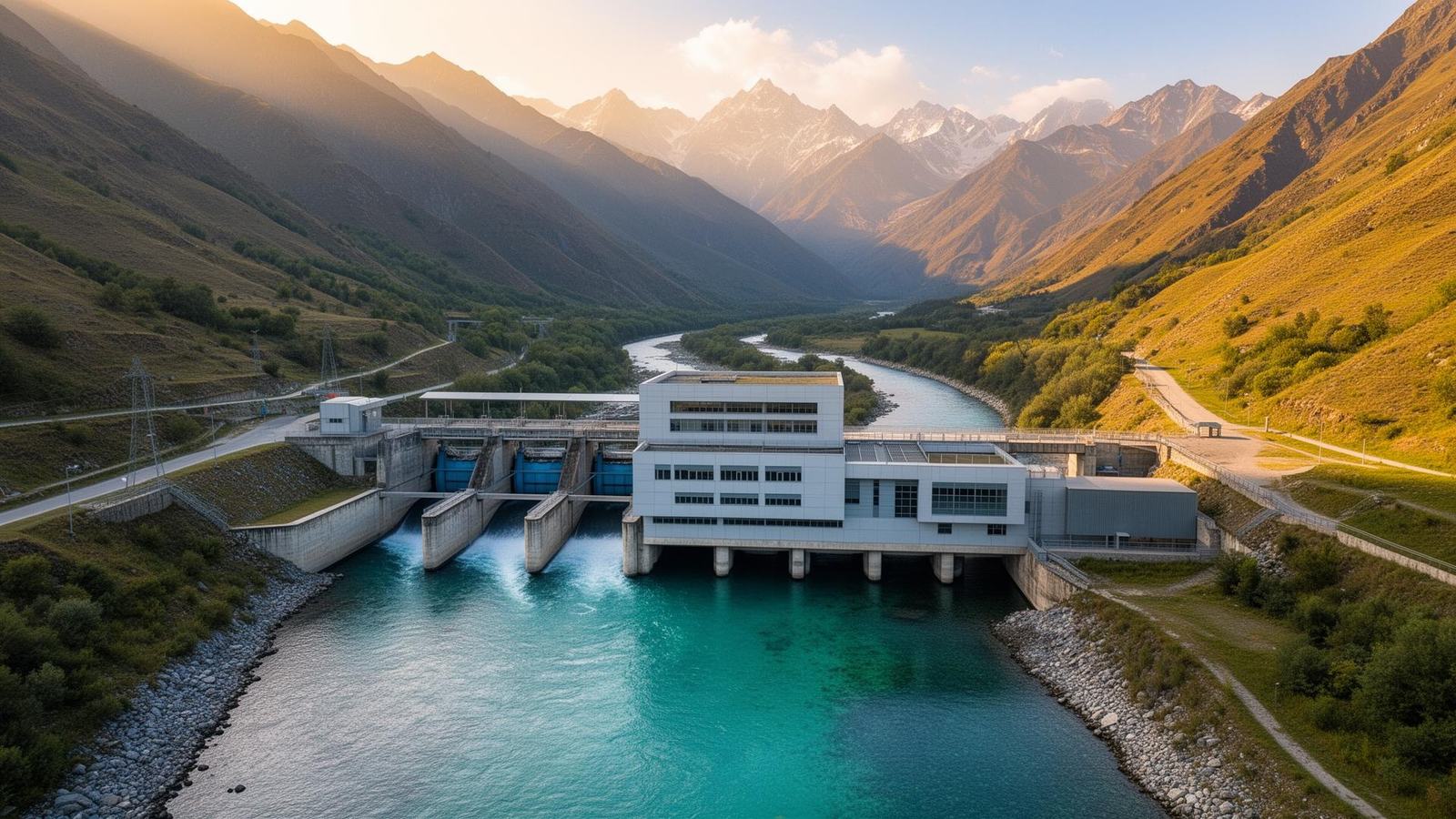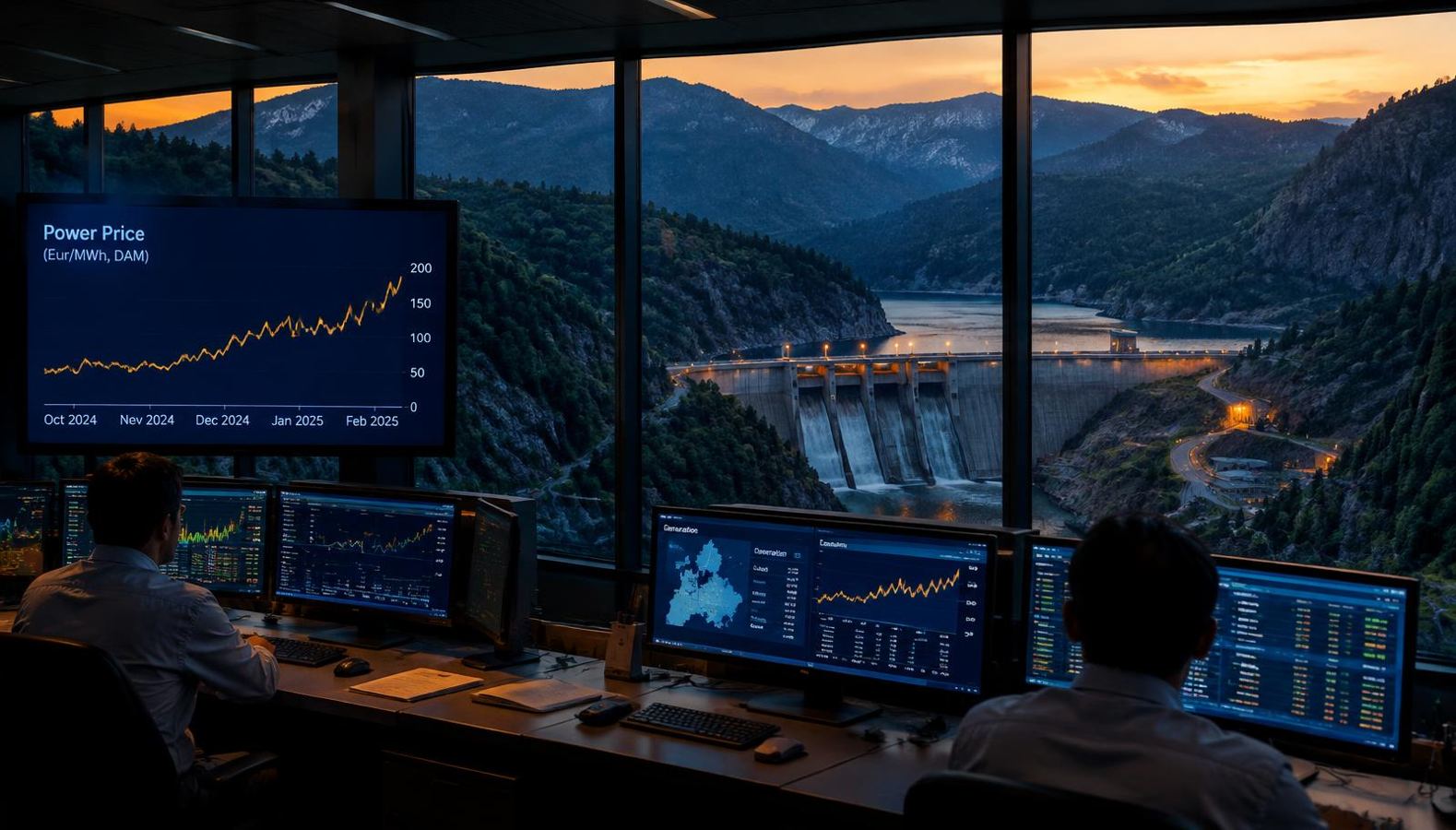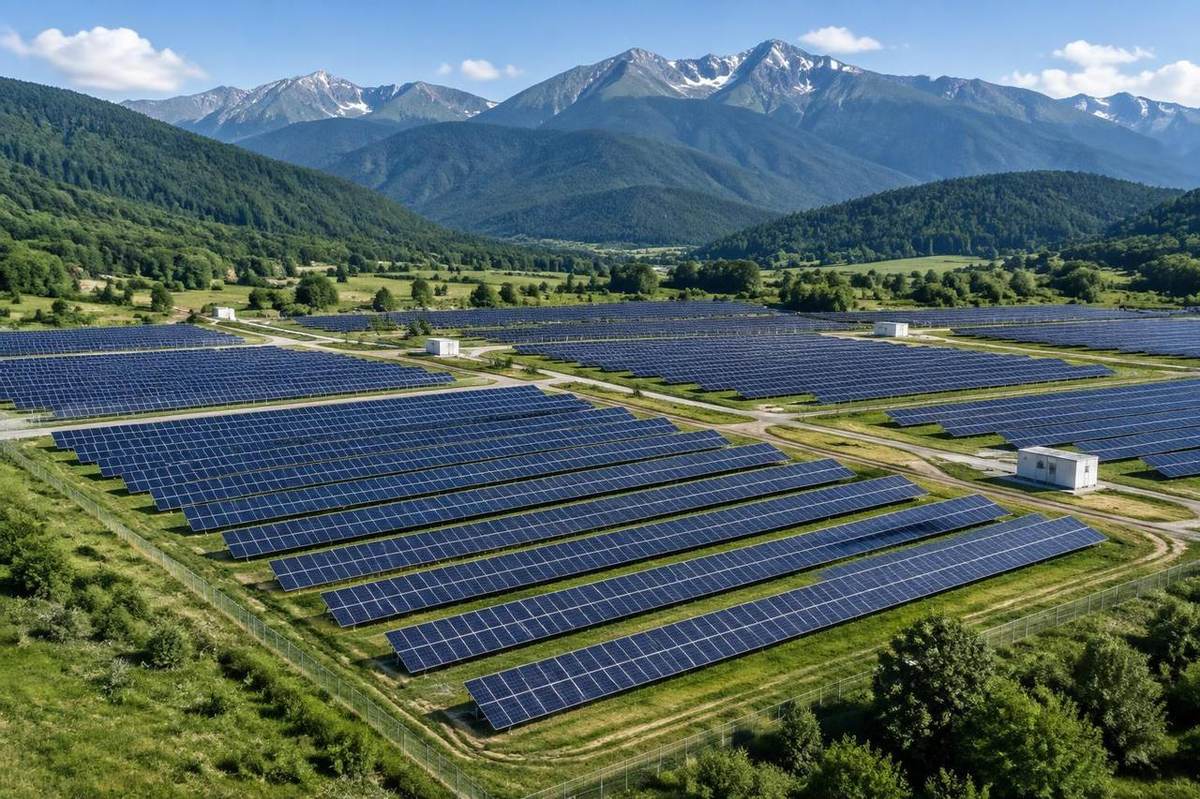

ESCO, the Electricity System Commercial Operator (ესკო in Georgian), sits at the centre of Georgia's wholesale power market. It buys and sells balancing electricity, is the counterparty to state power purchase agreements and contracts for difference, trades guaranteed capacity and registers wholesale market participants. For anyone who owns or plans a power plant in Georgia, ESCO's prices and rules shape revenue. This guide explains what ESCO does, with its latest published prices. Information is as of October 2026.
ESCO at a glance
| Full name | JSC Electricity System Commercial Operator (ESCO) |
| Owner | The state, 100% (source) |
| Operating since | 1 September 2006 |
| Legal basis | Law on Energy and Water Supply; Electricity (Capacity) Market Rules, Order No. 77 of 30 August 2006 (source) |
| Regulator | GNERC approves its standard contract terms |
| Other roles | 25% shareholder of the GENEX energy exchange (source) |
What ESCO does
- Buys and sells balancing electricity. ESCO calculates the difference between what each participant contracted and what it actually generated, consumed, imported or exported, sells or buys that balancing electricity and settles monthly. It can also sign medium- and long-term import and export contracts (source).
- Buys power under state PPAs. Where the government, ESCO and an investor agree, ESCO is obliged to buy the output of a newly built plant under a power purchase agreement, based on the State Programme "Renewable Energy 2008" and related decrees (source). Many small hydropower plants built in the 2010s sell to ESCO this way, often for the winter months.
- Pays the difference under CfDs. For plants that won contracts for difference in state auctions, ESCO pays the plant when the market price is below the strike price and receives the difference when it is above. See how Georgia's CfD works.
- Trades guaranteed capacity. ESCO is the exclusive trader of guaranteed capacity, the reserve that keeps the system secure. The government chooses the sources (mainly thermal plants); distribution companies, direct customers and exporters pay for it (source).
- Registers market participants and contracts. Qualified enterprises (generators, suppliers, direct customers, importers and exporters) register with ESCO, and every direct bilateral contract is registered with ESCO and the dispatch licensee (source).
Balancing electricity: volumes and prices in 2026
ESCO publishes the volume and weighted average selling price of balancing electricity every month (source):
| Month (2026) | Volume | Price | Share of total supply |
|---|---|---|---|
| January | 711.5 GWh | 16.76 tetri/kWh | 49% |
| February | 496.7 GWh | 14.89 tetri/kWh | 40% |
| March | 444.4 GWh | 15.43 tetri/kWh | 34% |
| April | 391.2 GWh | 15.56 tetri/kWh | 33% |
| May | 268.2 GWh | 13.79 tetri/kWh | 23% |
| June | 141.2 GWh | 14.10 tetri/kWh | 13% |
| July | 234.8 GWh | 11.21 tetri/kWh | 17% |
| August | 322.1 GWh | 16.90 tetri/kWh | 25% |
The pattern is clear: in winter half of all electricity passes through ESCO's balancing account, because imports and PPA plants fill the gap left by low hydropower output (see Georgia's winter deficit). In 2025 balancing electricity totalled 4.5 TWh, 28.9% of supply, at an average of 5.8 US cents/kWh (source).
What deregulated small hydropower plants receive
Small deregulated HPPs without a PPA sell their imbalances to ESCO at a separate price, which drops sharply in the summer flood season (source):
| Month | 2024 | 2025 | 2026 |
|---|---|---|---|
| January | 18.58 | 12.45 | 11.46 |
| April | 12.78 | 12.68 | 11.48 |
| May–August | 2.41 | 4.02 | 4.02 |
| October | 12.71 | 11.68 | – |
Prices in tetri/kWh. A small HPP that relies on this price earns three times less per kWh in summer, when it produces most. That is why owners look for bilateral contracts with suppliers or direct customers, and why hydropower valuations depend heavily on the offtake arrangement.
Who can buy directly on the wholesale market
Large consumers buy as direct customers. About 70 companies are on ESCO's register, from Georgian Manganese, Rustavi Azot and Georgian Railway to data centres, ports and shopping centres (source). Businesses using more than 0.4 GWh a month must register as direct customers (source). These companies are natural buyers for direct contracts with solar and hydro plants.
What is changing
- Exchange trading. Day-ahead trading on GENEX started in July 2024, but volumes are still small. The intraday market is suspended until 1 July 2027.
- Hourly settlement. Georgia plans to move from monthly to hourly settlement of balancing electricity in July 2027 (source). That will make imbalances more expensive for plants with variable output and should push more trading onto the exchange.
- CfDs replace PPAs. New plants now compete for contracts for difference instead of guaranteed-purchase PPAs, so ESCO's role shifts from buyer to settlement counterparty.
Where is ESCO's price heading?
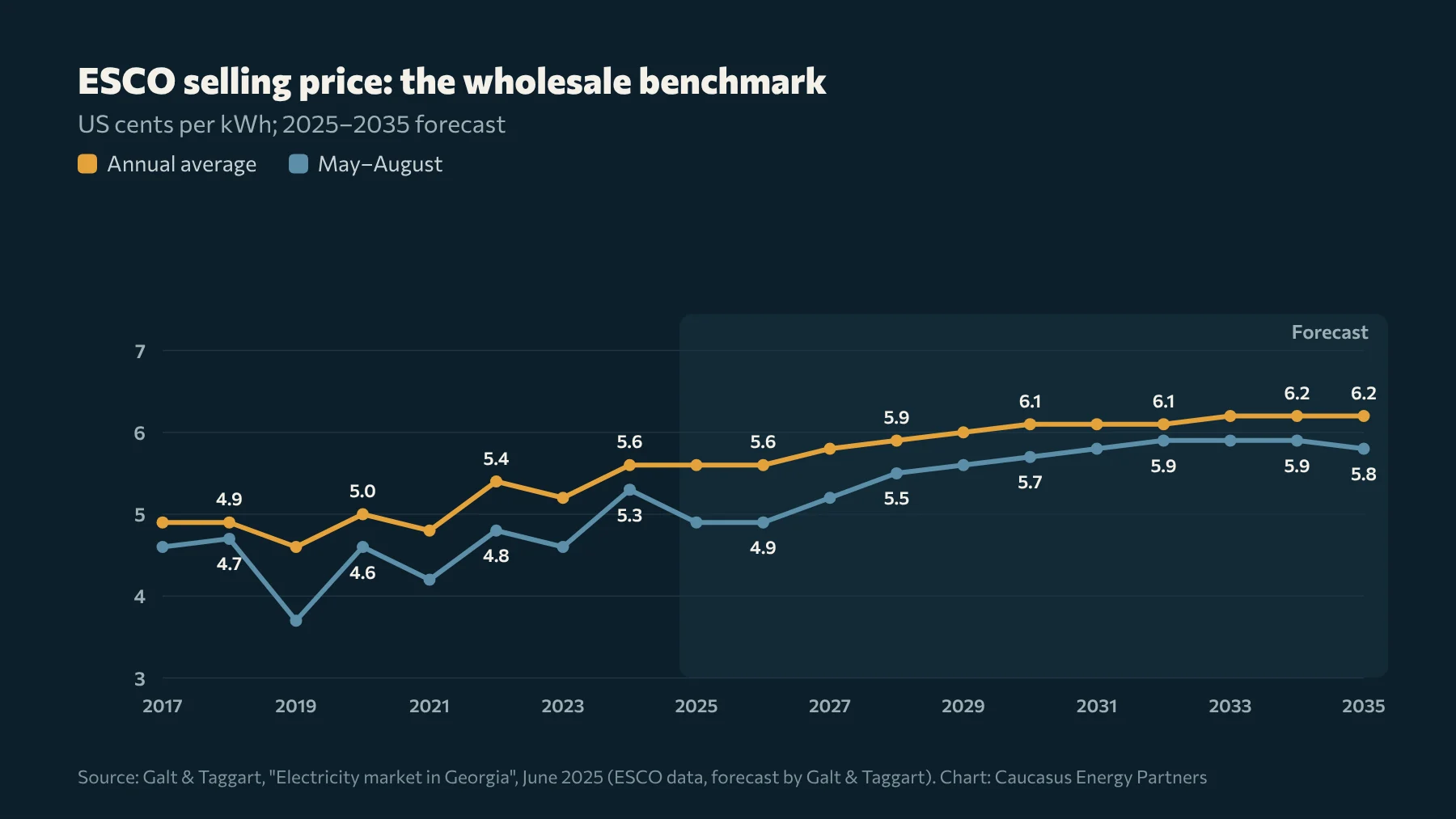
Under today's rules, ESCO's selling price is the best guide to Georgia's wholesale price, and bilateral contracts are often priced at ESCO's price minus 5–10%. It was 5.6 US cents/kWh in 2024. Galt & Taggart expects it to rise to about 6.2 cents by 2035, with May–August prices staying lower, because PPA and CfD plants will make up a growing share of what ESCO buys: 73% in 2025, 82% in 2030 and 95% in 2035 (source).
Frequently asked questions
What is ESCO in Georgia? The Electricity System Commercial Operator, a 100% state-owned company that operates the wholesale balancing market, buys power under state PPAs, settles CfDs, trades guaranteed capacity and registers market participants.
What is the balancing electricity price in Georgia? ESCO's weighted average selling price was 16.90 tetri per kWh in August 2026 and ranged from 11.21 to 16.76 tetri between January and August 2026. In 2025 it averaged 5.8 US cents per kWh.
What is guaranteed capacity? Reserve capacity, mainly from thermal plants chosen by the government, that keeps the power system secure. ESCO is its only trader, and distribution companies, direct customers and exporters pay for it.
How do I register with ESCO? Generators, suppliers, direct customers, importers and exporters register as qualified enterprises using ESCO's registration requirements and application form; direct contracts are registered separately.
Planning how a plant in Georgia will sell its power? See our solar advisory services or contact us.