A winter gap to close
Georgia was a net importer of 1.0 TWh in 2025, mostly in winter, when river flows are low.
Energy investment advisory · Tbilisi, Georgia
We help investors find, assess, build and co-develop utility-scale solar plants in Georgia, with hydropower, wind and grid advice across the Caucasus.
01 — Our view
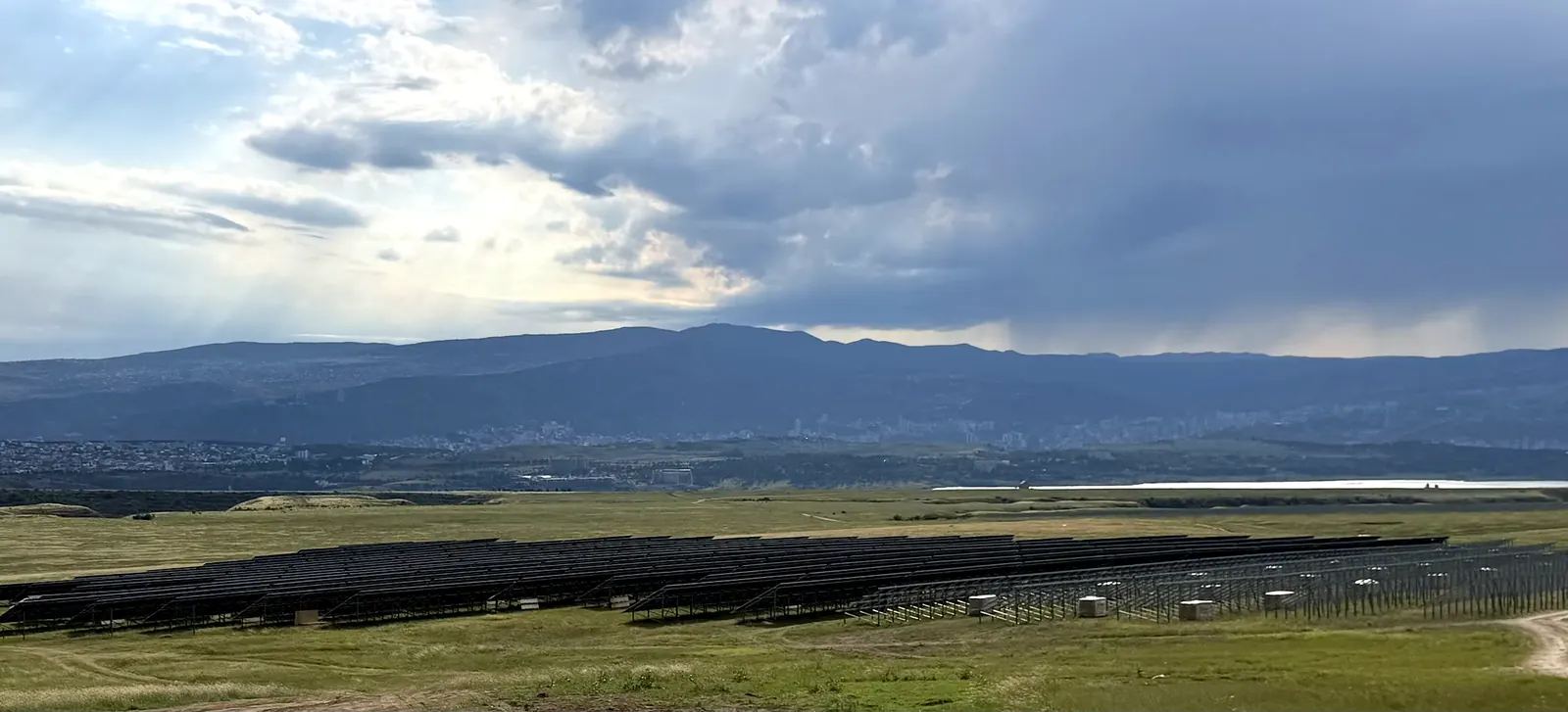
Georgia runs on its rivers. In winter, when they run low, it imports power. The next decade of Georgian energy will be built by people who add solar, storage and grid where the country needs them most.
Caucasus Energy Partners exists to help that capital arrive safely. We sit between international investors and the Georgian system: regulators, utilities, landowners, lenders and contractors.
Our work is practical: finding projects worth backing, testing them properly, getting them permitted and connected, and closing transactions on terms that hold up.
02 — Project portfolio
Energy, infrastructure and industrial companies across Georgia and beyond.

03 — Why Georgia, why now
Georgia was a net importer of 1.0 TWh in 2025, mostly in winter, when river flows are low.
Exchange trading on GENEX since July 2024, and 15-year contracts for difference won in competitive auctions.
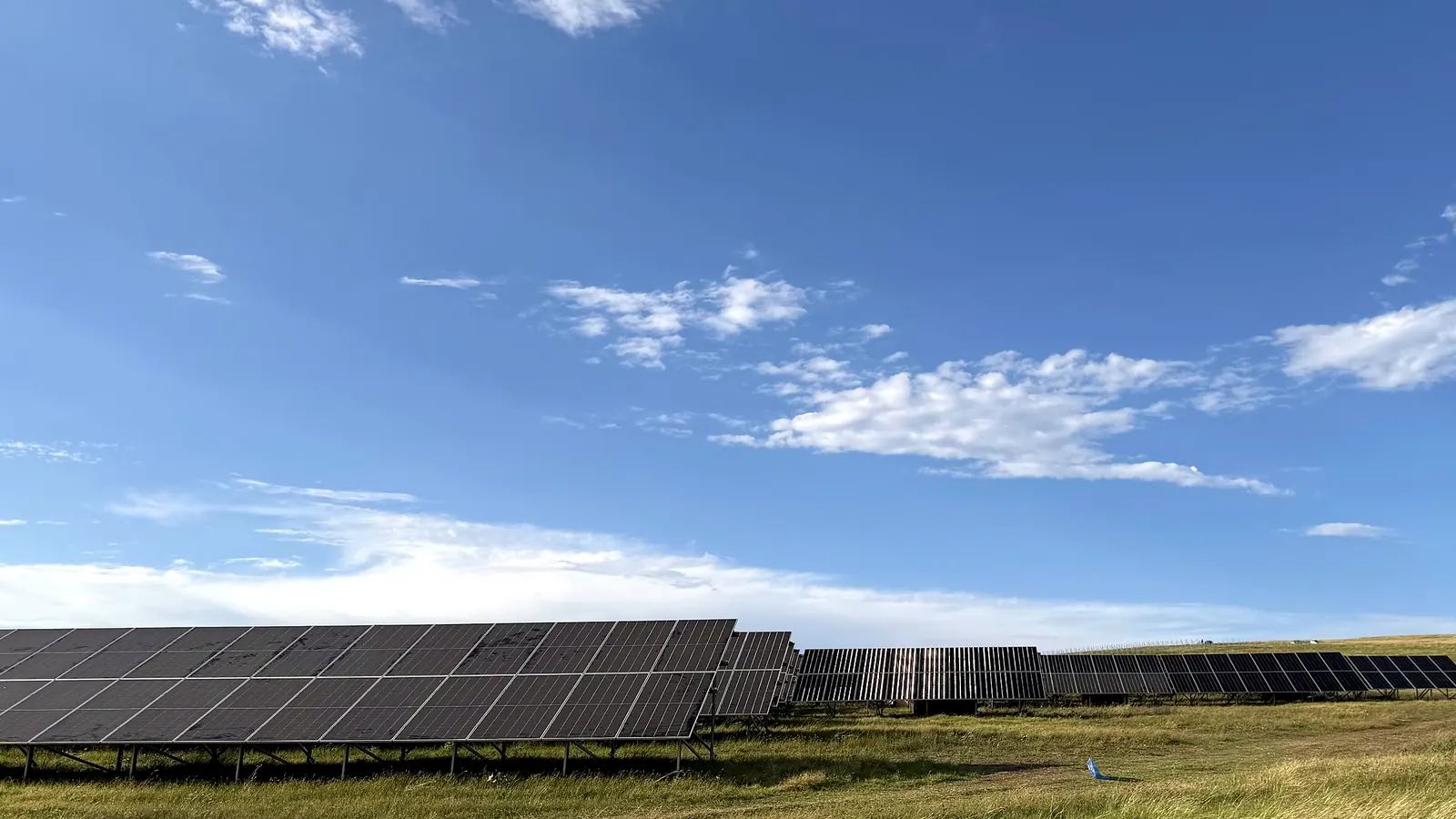
Central and eastern Georgia yield about 1,300–1,350 kWh per kWp a year, by the EU’s PVGIS model.
New small plants move from net metering to net billing on 1 January 2027; earlier plants keep net metering until 2033.
04 — The resource
Estimated yearly output of one kilowatt of solar panels, by city. The east and the Javakheti plateau lead; the humid Black Sea coast produces up to 18% less.
Source: EU PVGIS, fixed optimally tilted system; our calculation.
05 — Where we come in
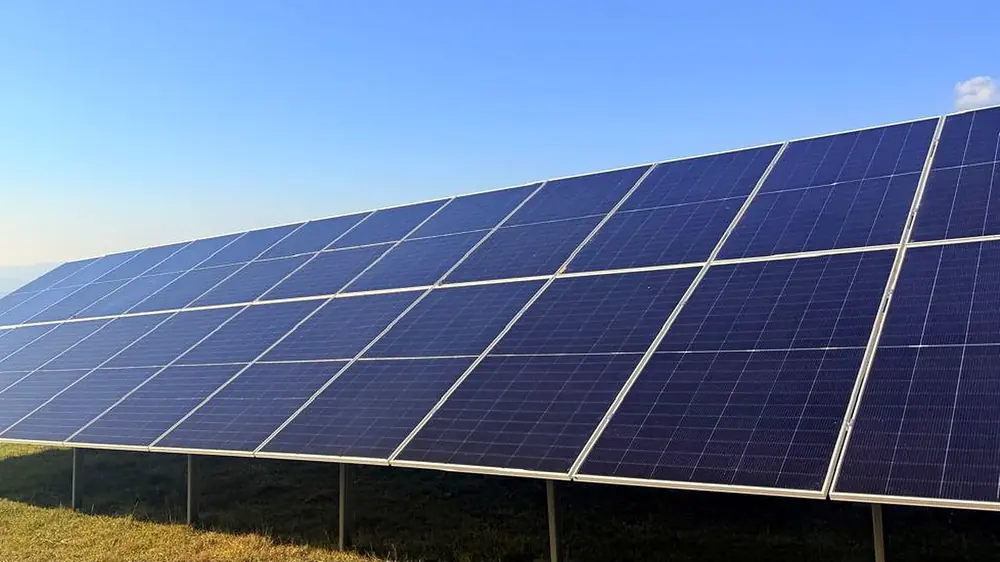
Technical, regulatory and commercial due diligence, so you know what you are buying: yield, equipment, grid rights, licences and contracts.
Due diligence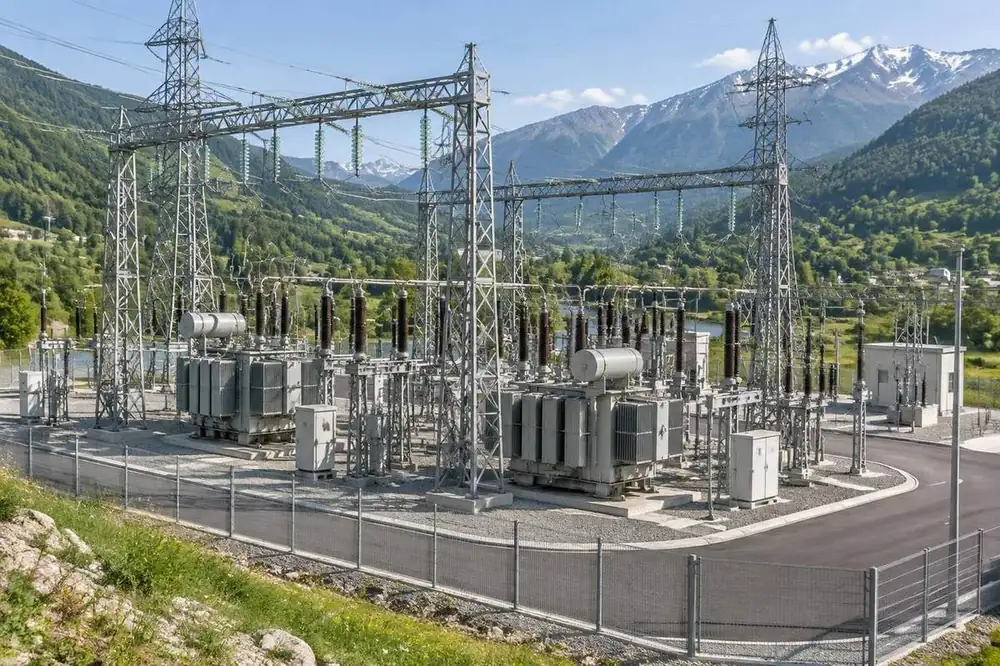
Land, permits, grid capacity, auctions and EPC selection, or co-development with us as your local partner.
Solar development and co-development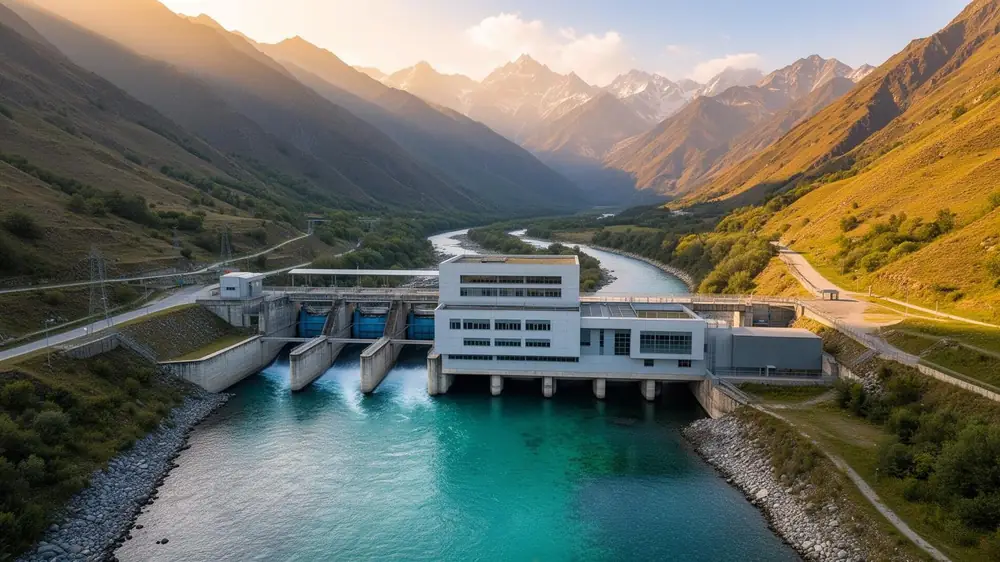
Valuation, buyer search, structuring and negotiation for solar, hydropower and grid assets in Georgia.
Transaction support06 — Services
We find projects and partners worth your time: screening pipelines, introducing developers and landowners, and explaining how Georgia’s market, regulators and utilities work before you commit capital.
An independent view of the plant or project: energy yield, equipment, design, construction quality, grid connection and the EPC and O&M contracts behind them.
The Georgian approvals in the right order: land, environmental permits, GNERC licensing, grid capacity and connection agreements with GSE, Telasi or Energo-Pro.
Environmental impact, community and land issues assessed against Georgian law and lender standards, so financing is not held up late in the process.
From valuation to signing: structuring, financial review, negotiation support and coordination of lawyers, lenders and technical advisers.
After closing, we help keep the asset on track: operations oversight, regulatory reporting, contracts and relationships with utilities and authorities.
07 — Sectors
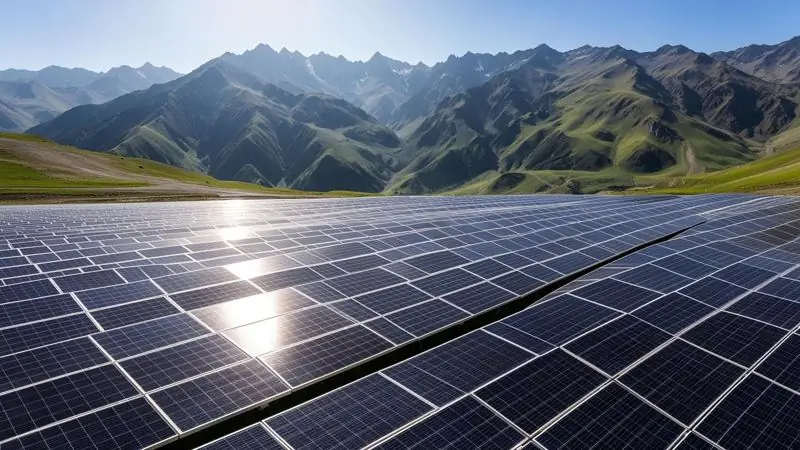
Utility-scale solar is still small in Georgia, but it is where most new projects are being built. Projects of 5–50 MW are reaching construction and bank financing.
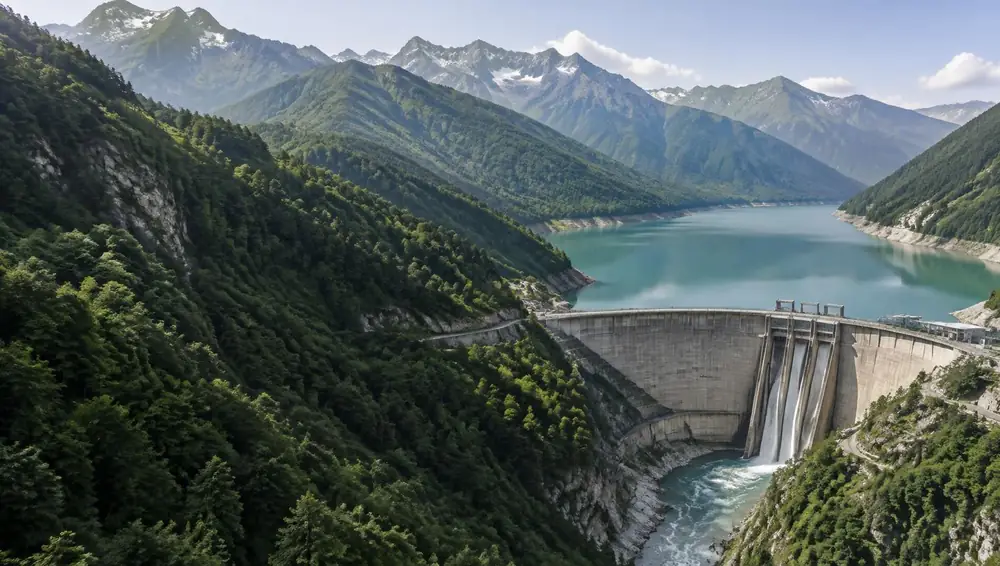
Hydropower is the backbone of Georgia’s power system. New plants now earn through the market and contracts for difference rather than guaranteed purchase agreements.
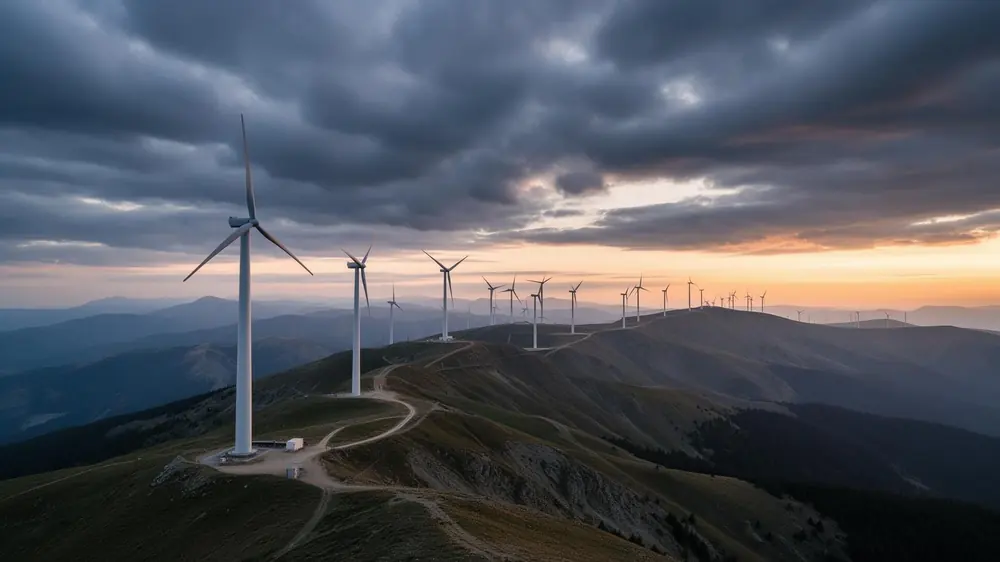
Wind is at an early stage, with the first large wind farm, Ruisi, under construction and new capacity able to compete for 15-year contracts for difference.
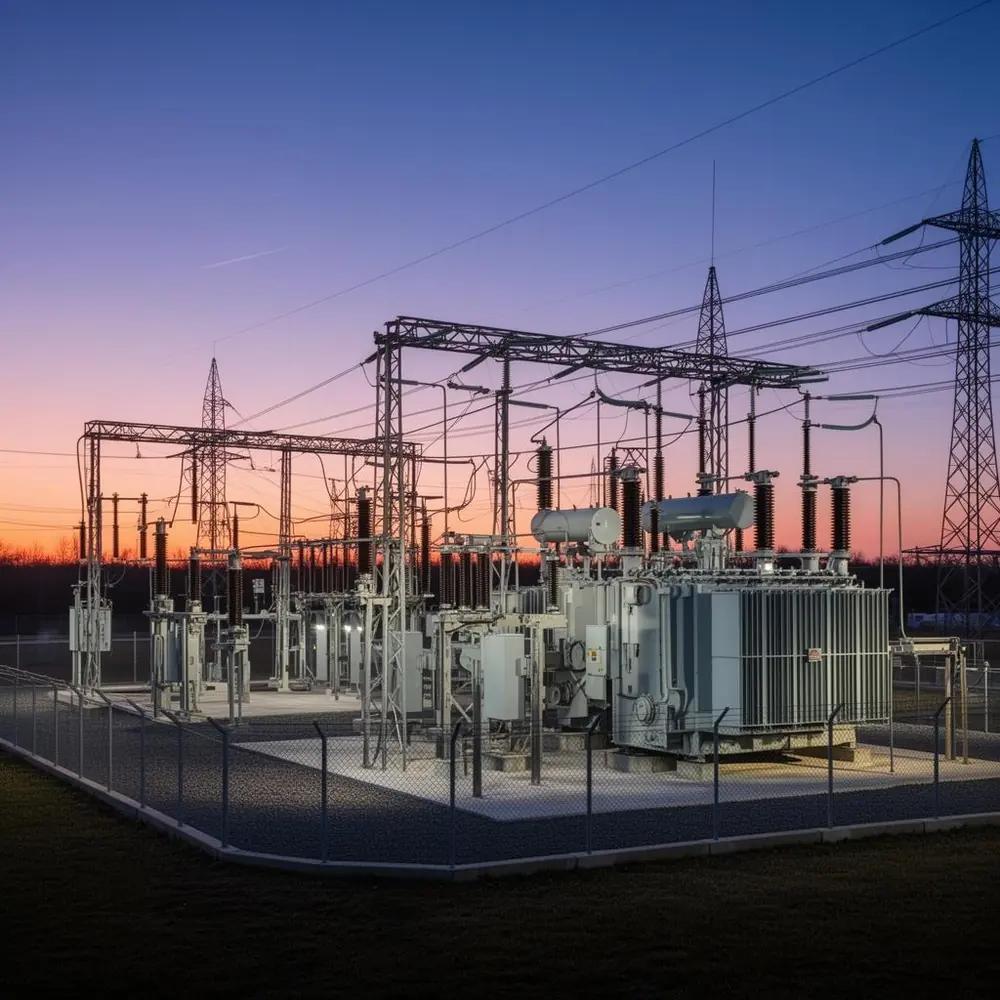
Grid capacity decides which projects get built. Interconnection with neighbours and storage are the next frontier for Georgia’s system.
08 — How we work
Your objectives, risk appetite and timeline, in confidence.
A shortlist of projects or a first view on yours, with the red flags.
Technical, regulatory and E&S work, or permits and grid for a new plant.
Valuation, structuring and negotiation through to signing and closing.
Connection, commissioning support and reporting once the plant runs.
09 — Why work with us
We deal directly with GNERC, GSE, Telasi and Energo-Pro, not from a slide deck abroad.
We tell you when a project should not go ahead, and why.
Documents, negotiations and site visits in the language each party works in.
We publish our own analysis of exchange prices, tariffs and solar yields, with sources.
Mandates, counterparties and numbers stay with the people who need them.
Close to the assets, and close to the capital that funds them.
10 — Who we work with
Entering Georgia or adding to a regional portfolio.
Looking for sites, partners and grid capacity.
Buying operating plants with predictable cash flow.
Needing independent local due diligence.
Securing their own clean power in Georgia.
11 — The system in numbers
Sources: Galt & Taggart, GNERC, GENEX; our analysis.
12 — Free tool
Our calculator sizes a system and estimates yearly output, cost and payback for homes and businesses in 13 Georgian cities, using PVGIS yields and current GNERC tariffs.
Open the full calculator13 — Research
14 — Questions
Investors, developers, lenders and energy companies looking at solar, hydropower, wind or grid assets in Georgia and the wider Caucasus.
Yes. Alongside advisory work, we can act as your local development partner on solar projects.
Yes: capacity checks, applications and follow-up with GSE, Telasi and Energo-Pro, and the licensing that goes with them.
In 2026 a complete rooftop system costs about $500–650 per kW installed for a home and $350–450 per kW for a business. Utility-scale plants cost less per kW in equipment, but land, grid connection and permits add to the budget; we model these site by site.
About 1,100–1,350 kWh a year, depending on location: around 1,300–1,350 kWh in central and eastern Georgia and on the Javakheti plateau, and up to 18% less on the Black Sea coast (EU PVGIS).
Utility-scale solar plants and portfolios, as well as hydropower, wind and grid assets. Tell us about yours and we will tell you quickly whether we can help.
Yes. Everything you share with us is treated in confidence, and we can sign a non-disclosure agreement before you send project details.
English, Georgian and Russian, for documents, meetings and negotiations.
Tell us what you are considering. A partner will come back to you for a confidential first conversation.